I am Jody, your trusted IC chips supplier with extensive experience in providing high-quality, reliable, and innovative semiconductor solutions. Committed to excellence, I specialize in delivering authentic components, competitive pricing, and exceptional customer service to meet the needs of manufacturers, engineers, and businesses worldwide. Partner with me for your electronic component needs.
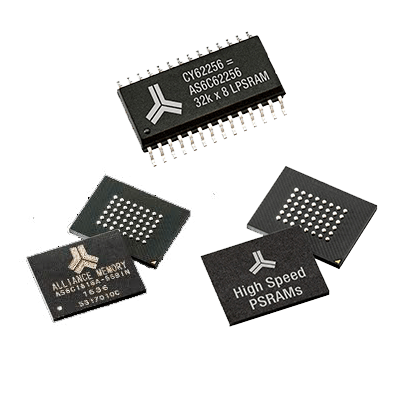
SRAM (Static Random-Access Memory) ICs (Integrated Circuits) are semiconductor devices designed for high-speed data storage and retrieval. Unlike DRAM (Dynamic RAM), SRAM retains data without periodic refresh cycles, making it ideal for applications requiring low latency and deterministic performance. This guide explores SRAM ICs’ technical foundations, use cases, and industry trends. How SRAM ICs Work…
NOR Flash Integrated Circuits (ICs) are a type of non-volatile memory that retains data without power. Renowned for random access capabilities, NOR Flash is ideal for applications requiring direct code execution, such as firmware storage in embedded systems. This guide explores NOR Flash’s history, architecture, applications, and future trends. History NOR Flash was invented by…
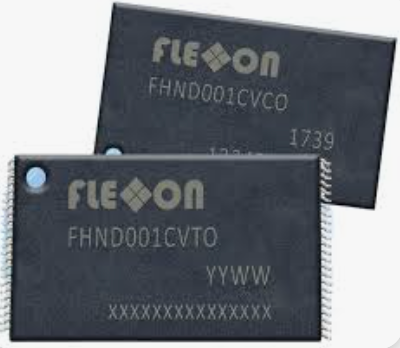
NAND Flash is a non-volatile storage technology that retains data without power. It dominates modern storage solutions due to its high density, cost-effectiveness, and scalability. Key applications include Solid-State Drives (SSDs), USB drives, memory cards (SD, microSD), and embedded systems in smartphones, IoT devices, and industrial equipment. 2. Historical Evolution 1984: Dr. Fujio Masuoka of…
Ferroelectric Random-Access Memory (FRAM) is a non-volatile memory technology that combines the speed of RAM with the persistence of flash memory. Unlike traditional storage solutions, FRAM leverages the unique properties of ferroelectric materials to deliver high endurance, fast write speeds, and low power consumption. This guide explores FRAM’s workings, applications, advantages, and future potential. How…
First-In, First-Out Integrated Circuits (FIFO ICs) are essential components in digital systems, acting as buffers to manage data flow between subsystems with differing speeds or operating clocks. This guide explores their structure, types, applications, and design considerations, providing a thorough understanding for engineers and enthusiasts. Basic Structure of FIFO ICs A FIFO IC comprises several…
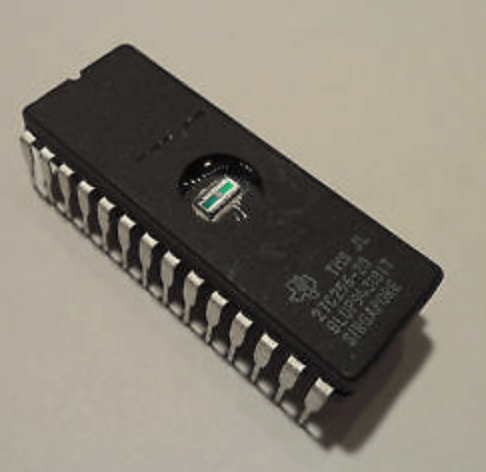
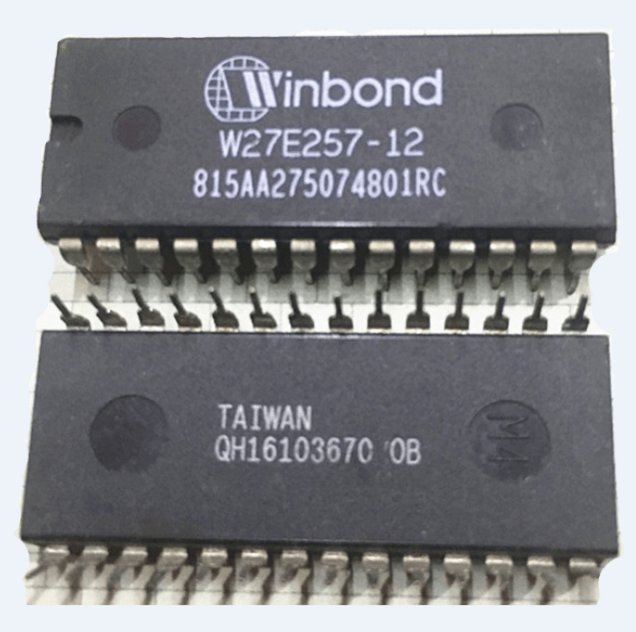
EPROM (Erasable Programmable Read-Only Memory) is a type of non-volatile memory chip that revolutionized firmware storage in early computing systems. Unlike standard ROM, EPROMs can be reprogrammed after erasure using ultraviolet (UV) light, making them ideal for prototyping and iterative development. This guide explores their history, structure, applications, and legacy. History of EPROM Invented by Dov…
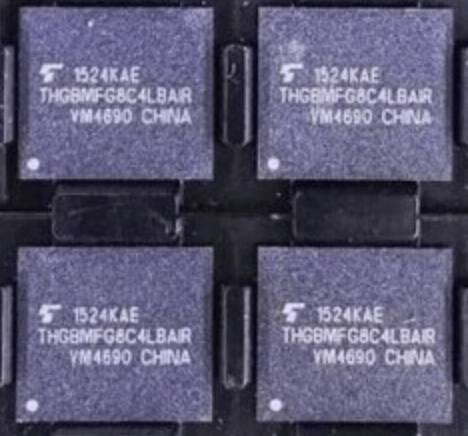
Embedded MultiMediaCard (eMMC) is a cornerstone of modern storage solutions in consumer electronics, offering a blend of affordability, integration, and reliability. This guide explores its architecture, applications, and future, providing a detailed understanding of why eMMC remains prevalent in devices like smartphones, IoT gadgets, and automotive systems. What is eMMC? eMMC (embedded MultiMediaCard) is a JEDEC-standard…
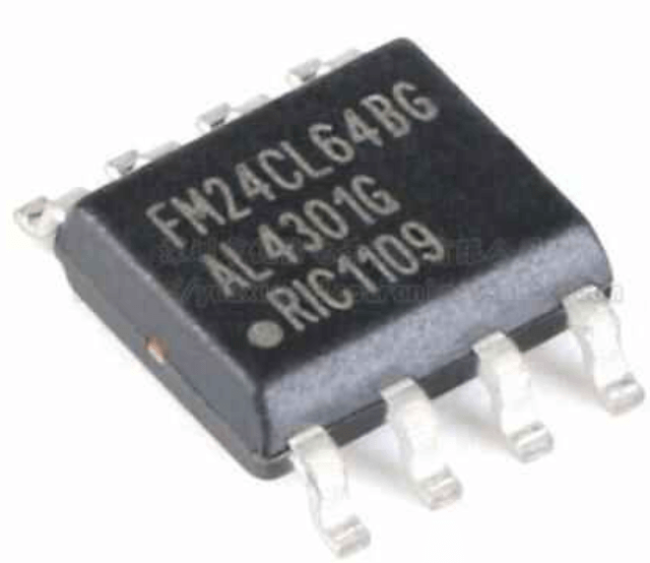
EEPROM (Electrically Erasable Programmable Read-Only Memory) is a non-volatile memory technology that retains data without power and allows byte-level erasure and reprogramming. Unlike its predecessor, EPROM (which requires UV light for erasure), EEPROMs are modified electrically, making them essential for storing configuration data, calibration settings, and other critical parameters in embedded systems, consumer electronics, and industrial…
Dynamic Random-Access Memory (DRAM) is a cornerstone of modern computing, serving as the primary volatile memory in devices from smartphones to supercomputers. This guide delves into the intricacies of DRAM technology, exploring its architecture, types, manufacturing, applications, challenges, and future trends. 1. Basics of DRAM What is DRAM? DRAM stores each bit of data in…
Memory Integrated Circuits (ICs) are the backbone of modern electronics, enabling data storage and retrieval in devices ranging from smartphones to supercomputers. This guide explores their evolution, types, structure, applications, and future trends, providing a deep dive into the technology that powers our digital world. 1. What is a Memory IC? A Memory IC is…